
Introduction
Overview
Generation Z comprises individuals born between 1997 and 2012, making them the first to have grown up entirely immersed in digital technology. Currently, there are few financial education tools designed for this generation, which need clear language, visual learning methods, and relevance to real-world situations.
Objective
Utilize a user-centered design sprint approach to design a digital platform offering comprehensive, engaging, and interactive personal finance tools specifically tailored for Generation Z.
Outcome
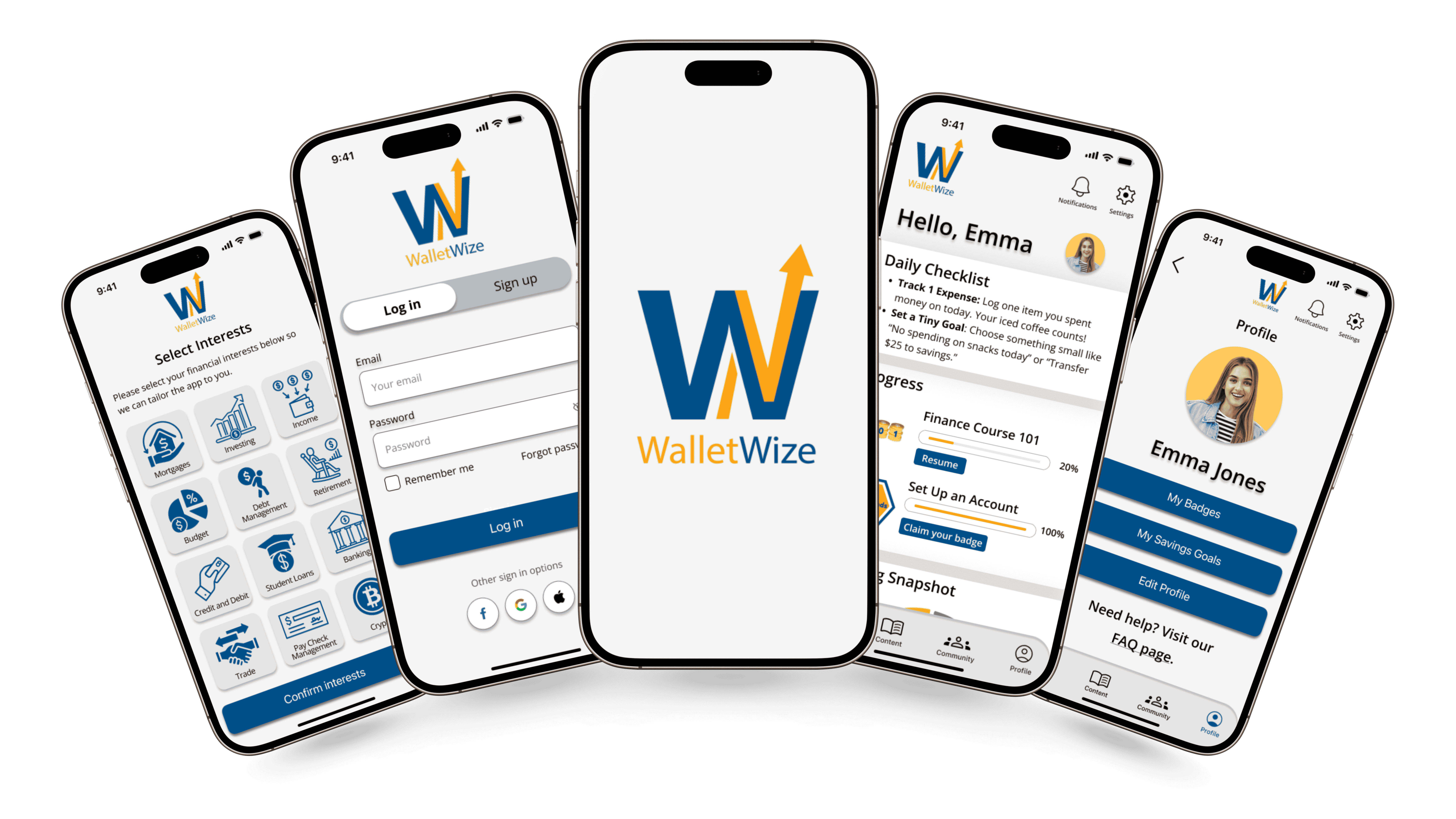
Over five weeks, the team successfully managed and completed a design sprint to design a mobile app: WalletWize. This app aims to improve financial literacy among Gen Z by helping them manage money more effectively, budget, save, invest, and plan for retirement.
This project was part of a Google Design Sprint, a graduate course at Quinnipiac University.
Approach
We used a user-centered approach aligned with the Google Design Sprint methodology, developed by Google Ventures. This process enabled us to conduct research efficiently, analyze results, and develop a viable prototype within five weeks.
This design protocol includes four well- defined and structured phases:
Phase 1: Map and Sketch
Phase 2: Decide and Storyboard
Phase 3: Prototype
Phase 4: Test

Map + Sketch
Background research
Problem statement
High-level map
Lightning demos
4- step sketches

Decide + Storyboard
Voting
User flows
Storyboarding
Prototype + Refine
Product breakdown
Wireframes
Mockups
High-fidelity prototype
Trial run
Test + Collect
Usability testing
Data analysis
Findings

Understanding the landscape
During the first phase, we gained a deep understanding of the problem through focused ideation and rich, user-centered ideas. All of this was achieved through various methodologies.
Methodology
Conduct background research
Devise a problem statement
Create a high-level map
Complete lighting demos
Completing the 4-step sketch process
Background research

According to the Gen-Z for Financial Literacy Organization, more than than half of U.S. states in 2023 did not require any financial education for high school students. Without essential financial skills, the next generation of students is not properly prepared to face the real world. Once students turn 18, they must navigate the complex process of learning about bank accounts, tax filings, and personal finance management on their own. Eighty-four percent of them rely solely on their parents and family for financial information and money advice.
WalletWize aims to empower this group through an engaging and interactive financial education experience.
Problem statement
Teenagers and young adults, aged 13 to 28 years, often find traditional financial lessons confusing or irrelevant to their lives. Many of them lack basic financial skills. WalletWize provides financial education to Gen Z users in an interactive, relatable, and motivating way.
Lightning demos
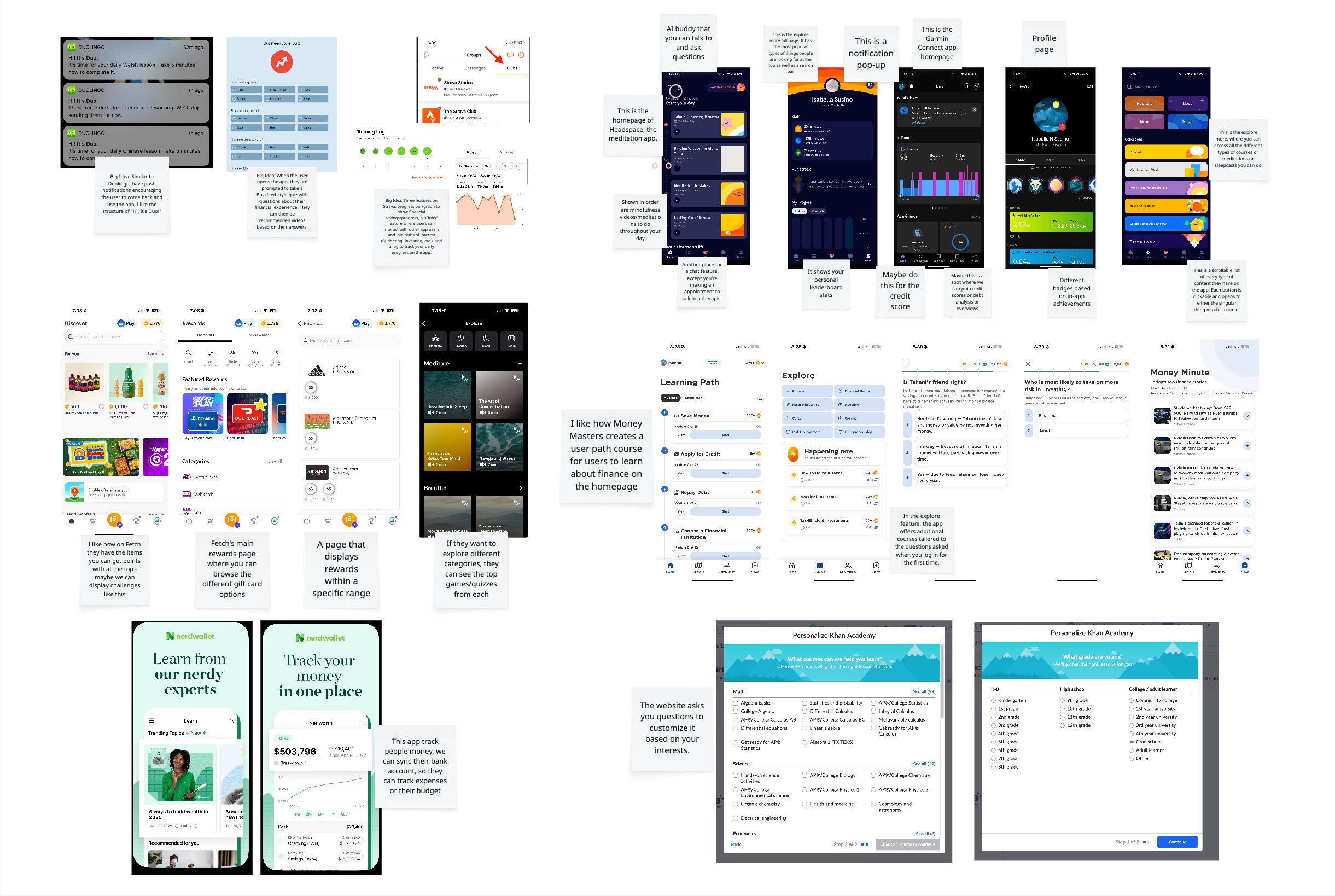
Here, we created a “Wall of Inspiration" to gather diverse ideas from existing solutions, allowing our team to combine and adapt them to solve our well-defined problem.
High-level map
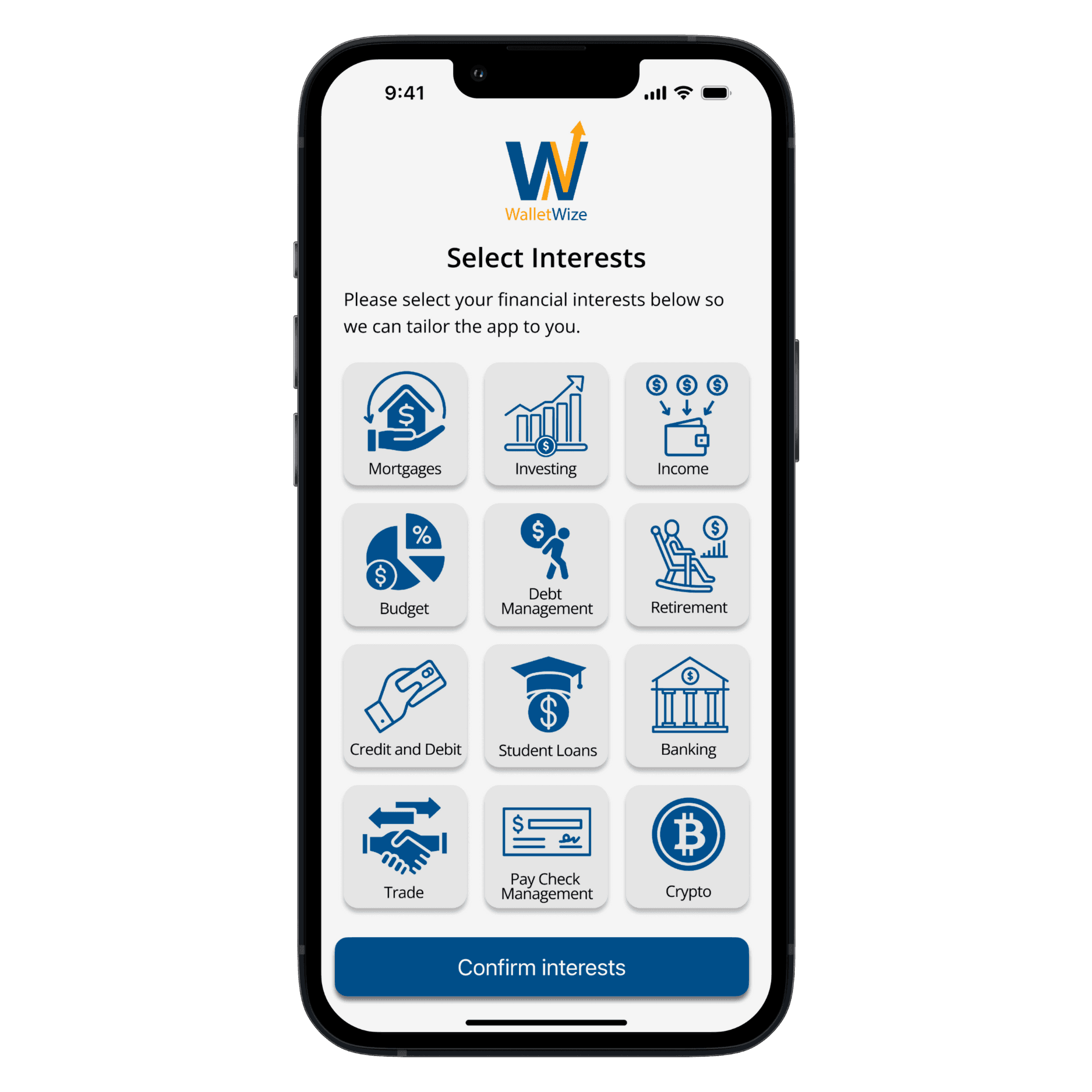
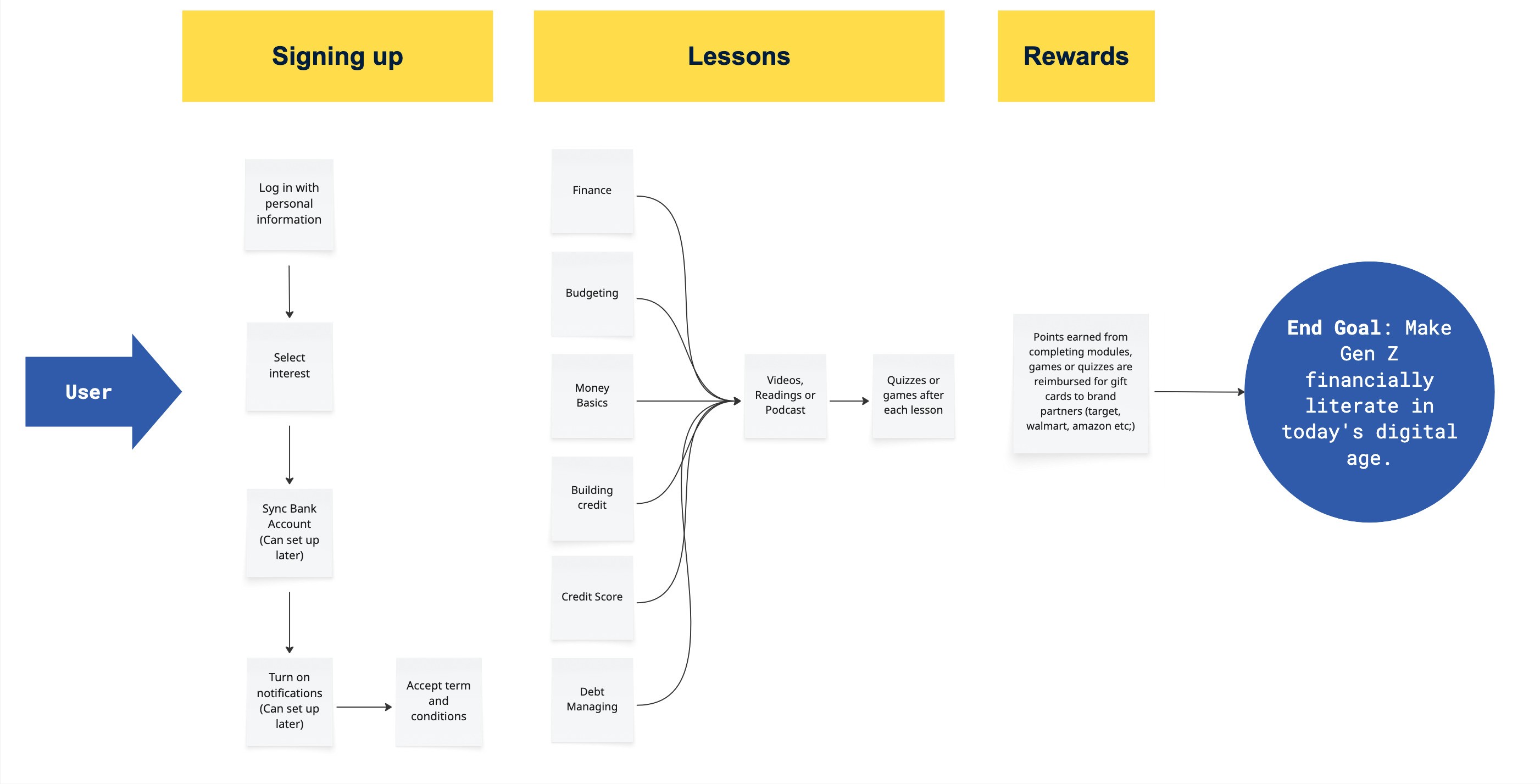
When designing our high-level map, we focused on highlighting how users can customize WalletWize according to the financial skills they want to develop. We also prioritized engaging and interactive learning methods, such as videos, podcasts, and readings. Lastly, we highlighted the rewarding method where users earn badges for reaching specific milestones.
4-Step sketch
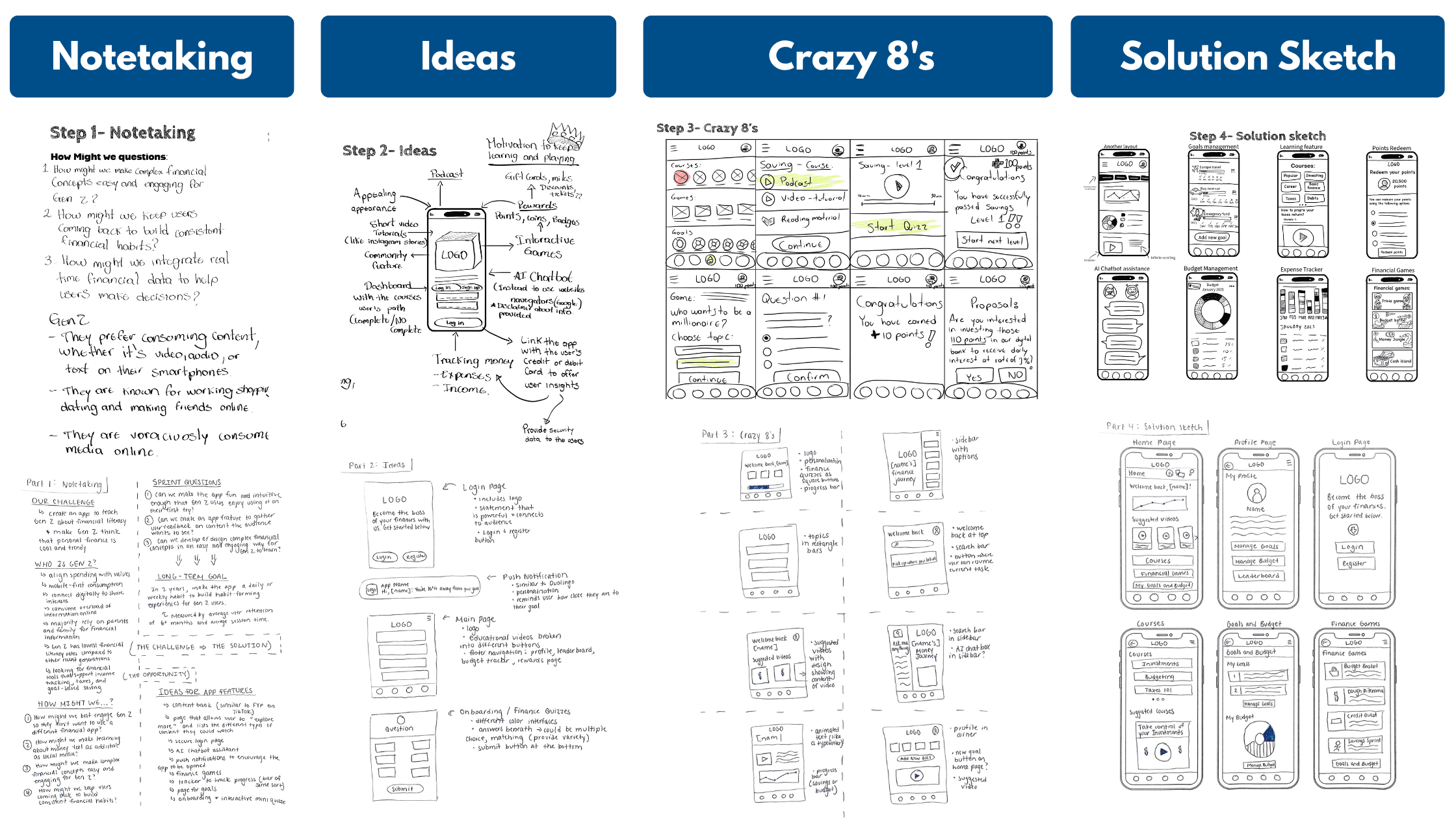
This includes four sequential stages: Notetaking, Ideas, Crazy 8s, and Solution Sketch. Through this activity, each team member developed thoughtful and well-organized potential solutions.

Phase 2: Decide and storyboard
Brainstorming a solution
During the second phase of our design process, we chose the most promising solutions from the sketches through a structured voting process. We then established user flows based on the selected ideas and finally translated them into a detailed, step-by-step storyboard.
Methodology
Vote on the proposed solutions
Organize user flows
Create a user storyboard
Voting
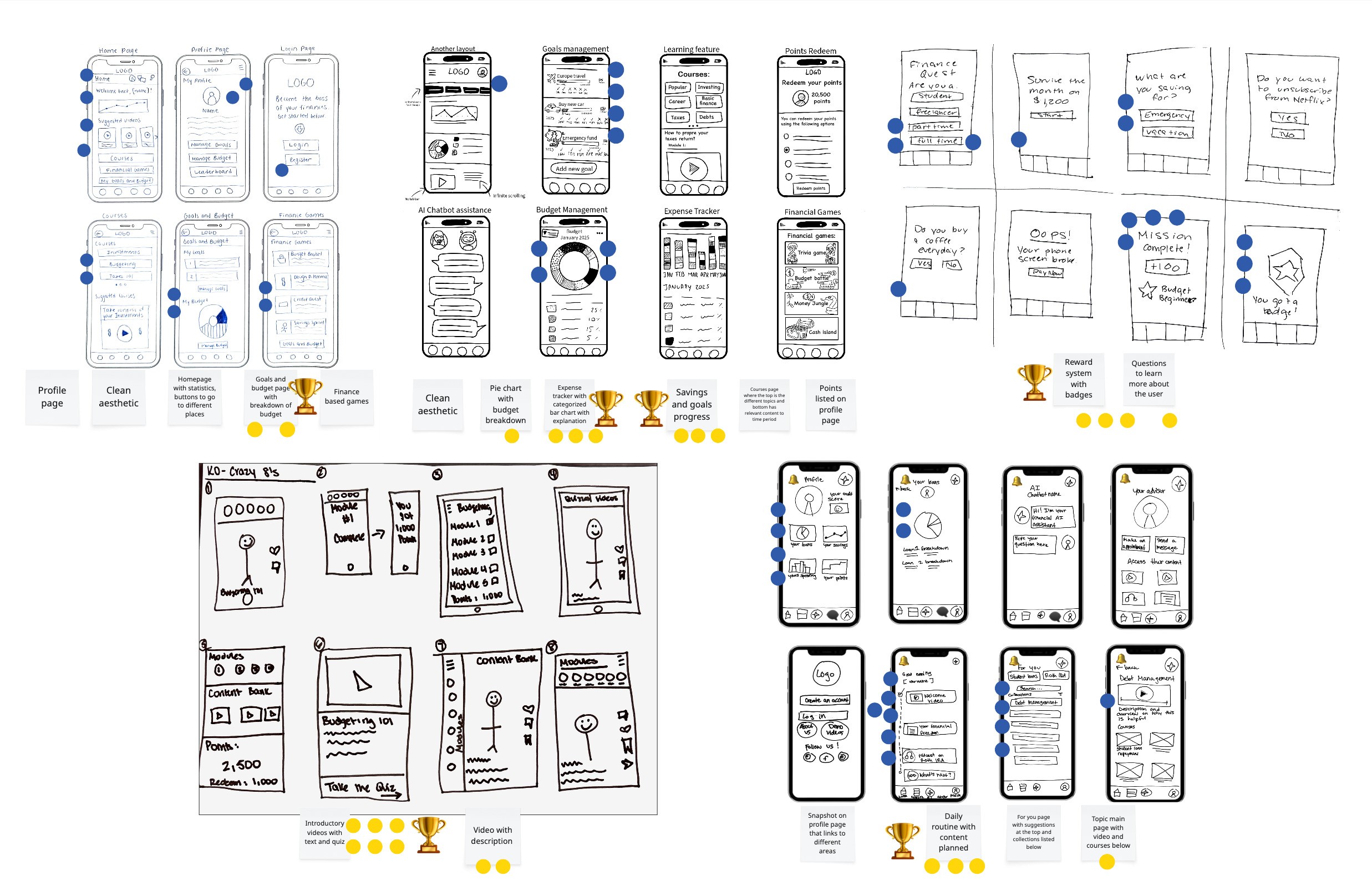
After completing our solution sketches in the first phase, we held a democratic vote to ensure equal input. We highlighted the most promising ideas, based on the sprint goals and user needs. We criticized each proposal and voted on the best ones.
User flows
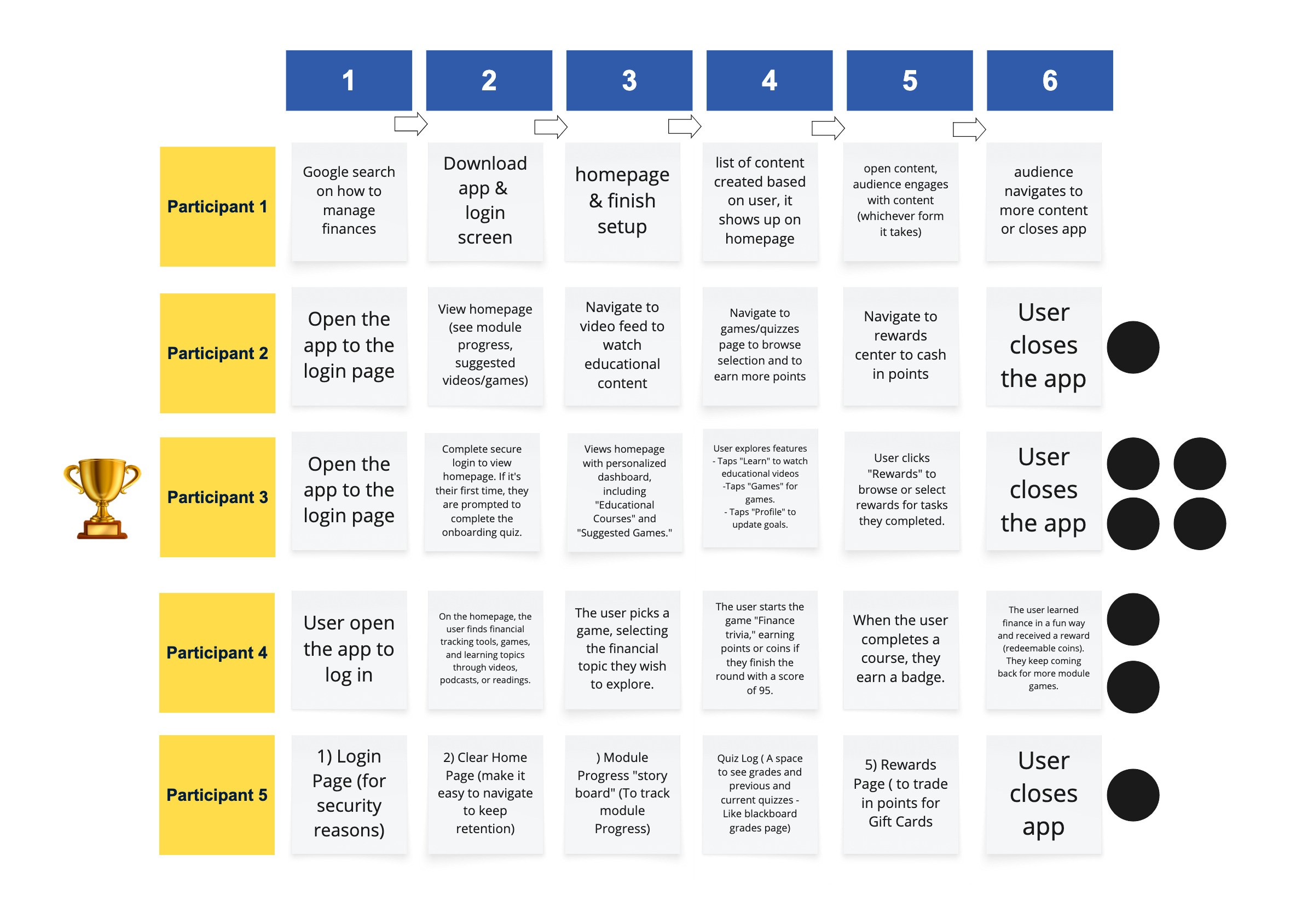
Creating user flows involved carefully outlining the step-by-step user journey through the chosen solutions. We aimed to develop pathways that are clear, logical, and offer a seamless experience. Subsequently, we voted on the best user flow, which will serve as the blueprint for the storyboard.
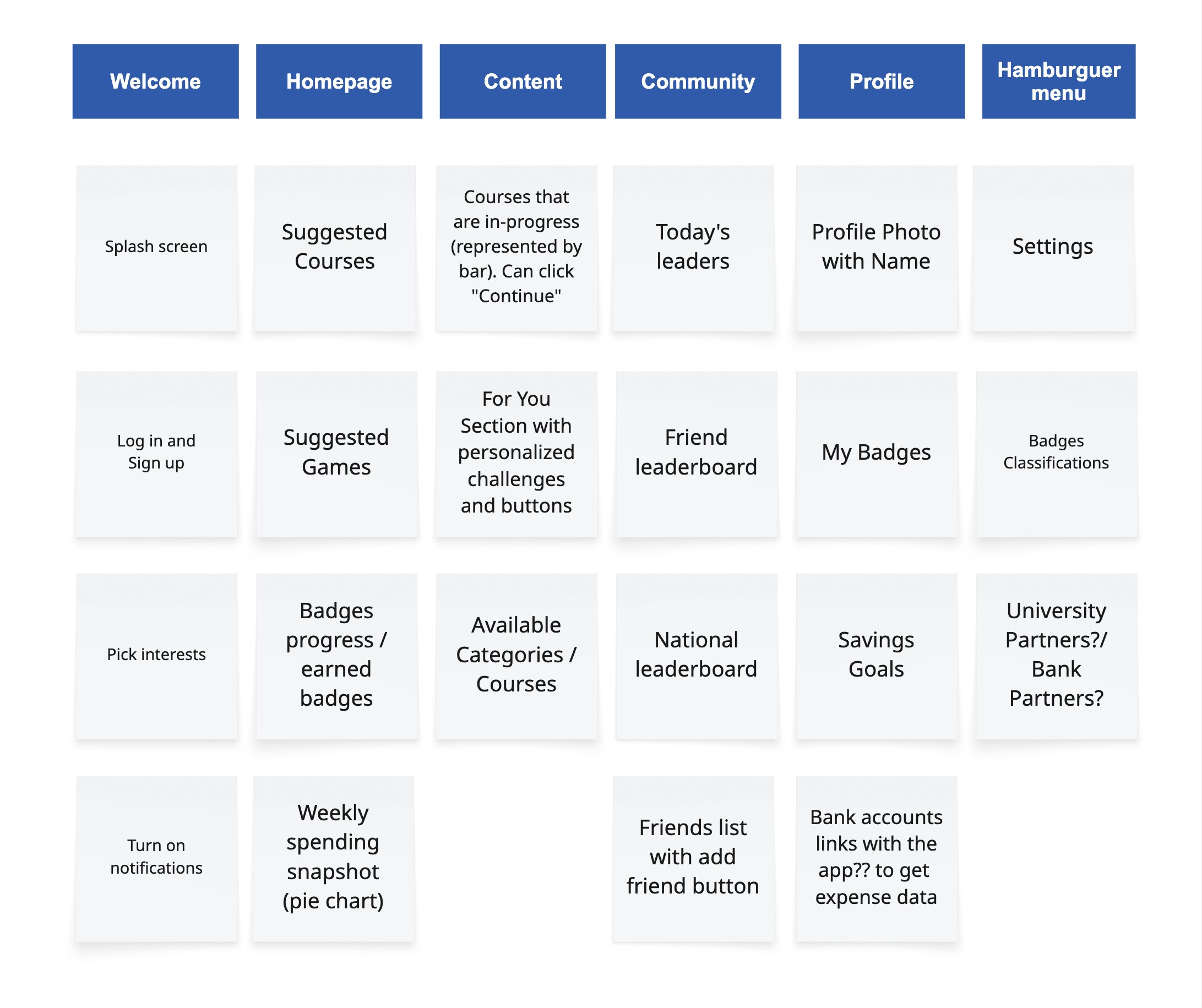
Storyboard
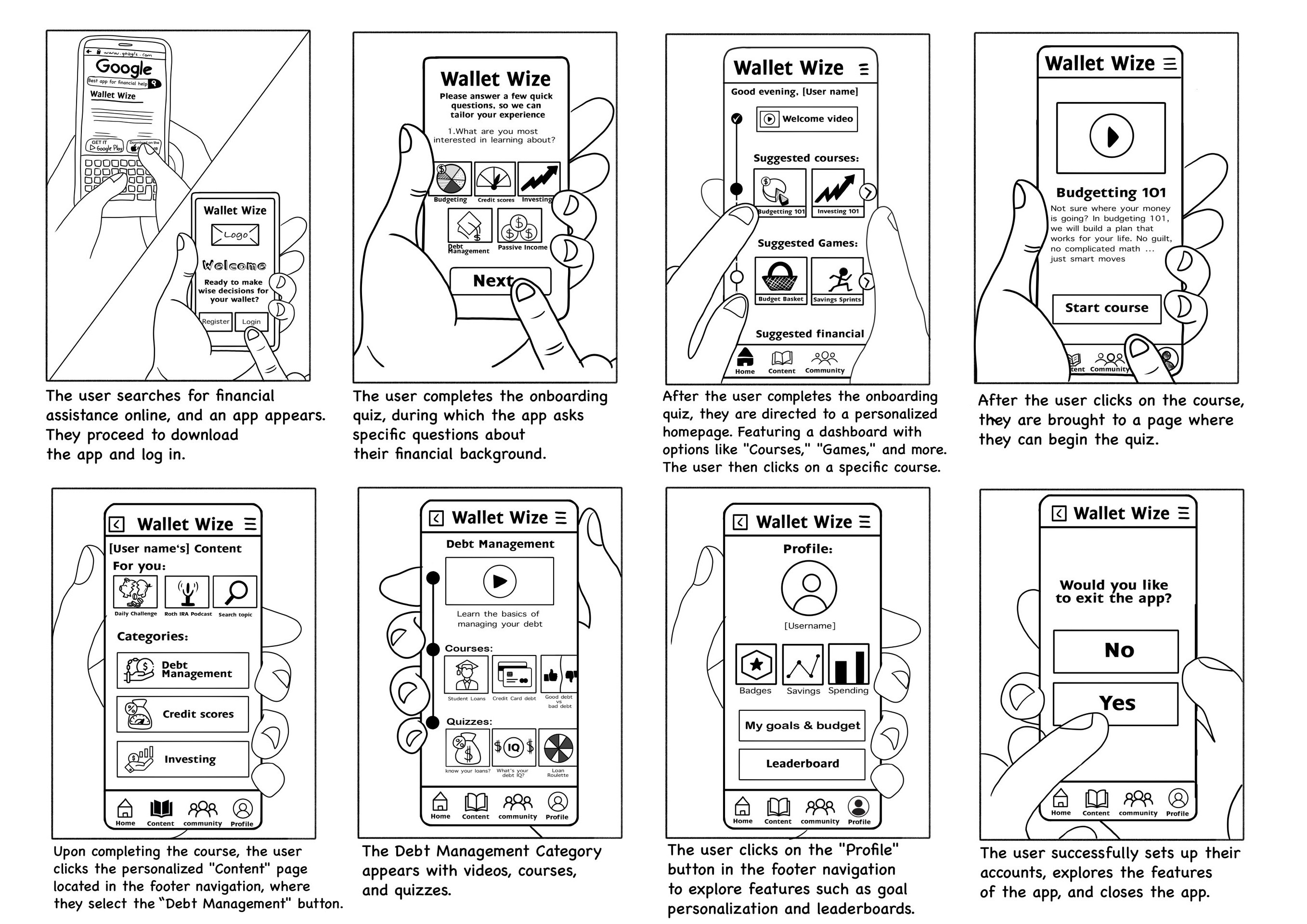
Finally, we selected the winning user journey and translated each step into key screens, actions, and content the user will interact with. Ensuring all team members aligned with the winning pathway was a crucial part of this step, as it resulted in a final visual of the WalletWize prototype.
Phase 3: Prototype and refine
Developing a feasible solution
In the third phase of the design sprint, we developed a realistic and testable version of the chosen solution. During a structured prototyping process, we produce a preliminary product that is strong enough to gather feedback from real users.
Methodology
Perform an app breakdown
Create initial low-fidelity wireframes
Create detailed high-fidelity mockups
Generate an interactive prototype
Conduct a trial run
Product breakdown
The first step in this phase was breaking down the storyboard into clear, actionable components such as screens, content, and interactive tasks. Each team member was assigned a different role based on their skill set.
Low-fidelity wireframes
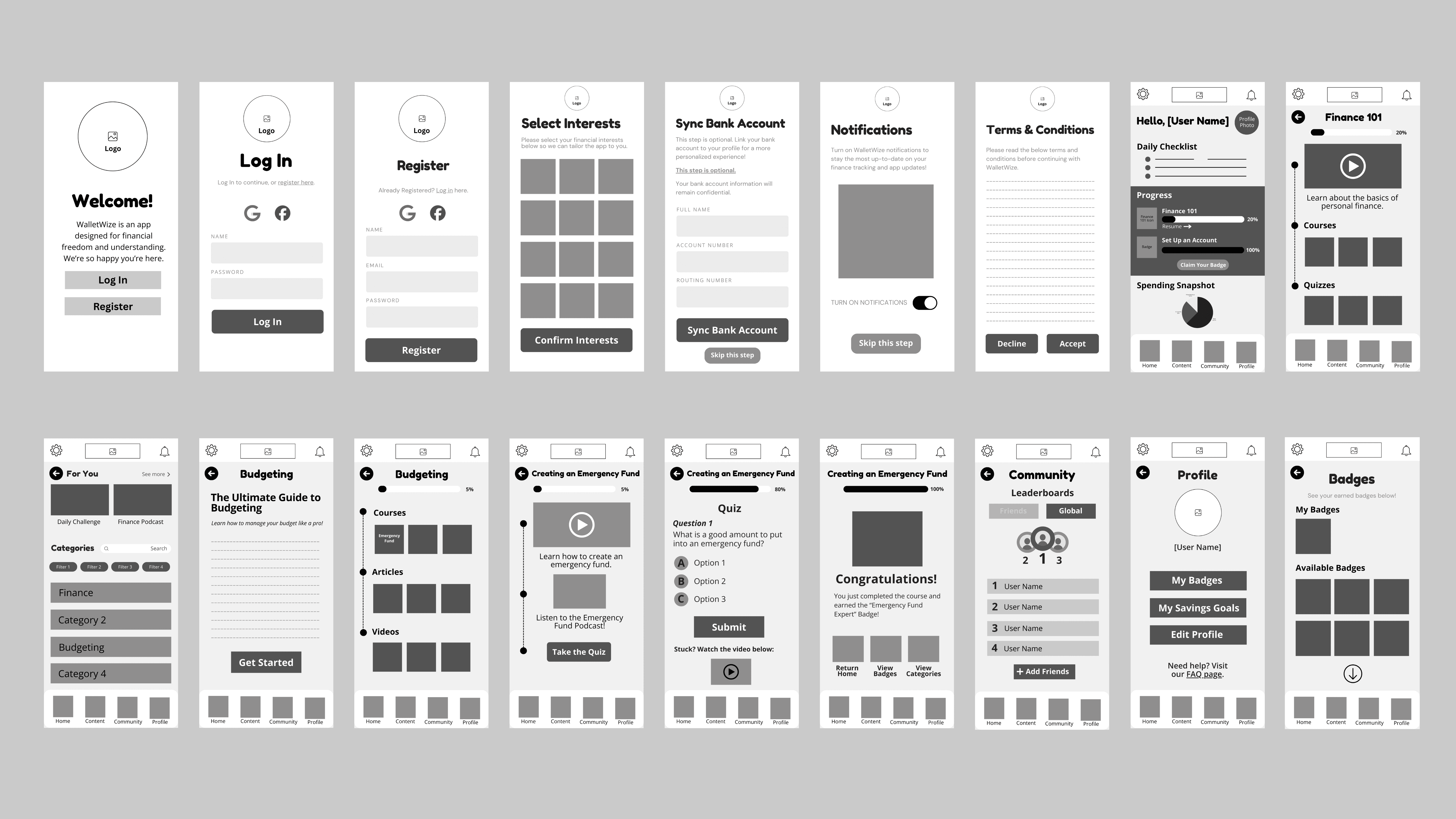
Designing our low-fidelity wireframes was based on our product breakdown and storyboard. Wireframes helped us define the layout, hierarchy, and flow, emphasizing structure over visuals. As a result of this step, we designed a strong blueprint for our testing prototype.
High-fidelity mockups
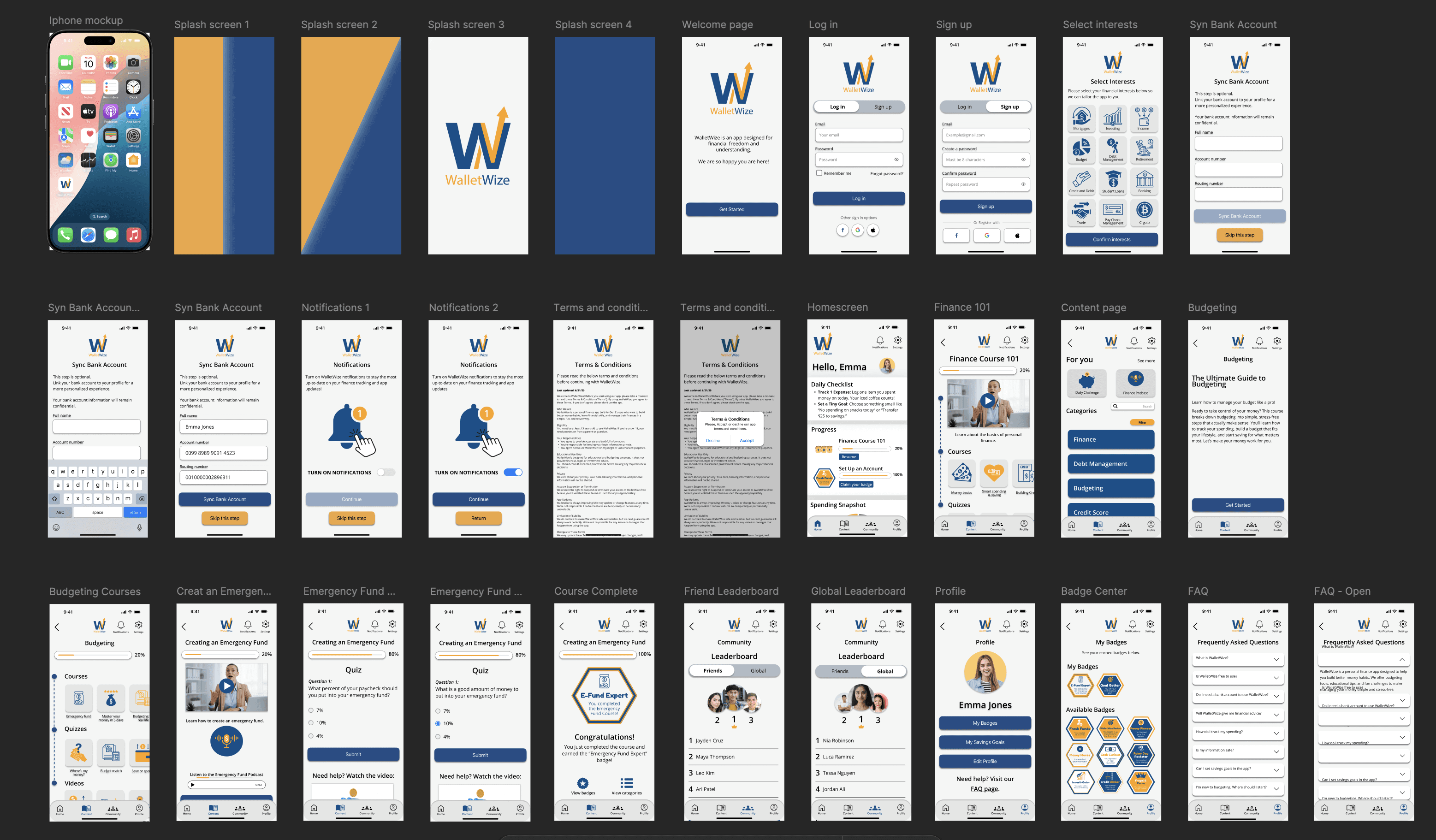
We created high-fidelity mockups that include the colors, typography, content, and all interactive elements. This product serves as a bridge between storyboards and clickable prototypes, providing some clarity on the final look of WalletWize.
Interactive prototype
Once our high-fidelity mockups were finalized, we connected all buttons, links, and navigation elements with interactive transitions between screens. We wired up all the mockups, creating a fully navigable prototype for the next phase: testing and feedback collection.
Trial run
The final step in this phase involved conducting a trial to ensure that all elements of the prototype were well-designed and functioning properly. We simulated user tasks to identify errors before actual user testing. Additionally, we confirmed that the aesthetic and branding of WalletWize were consistent. Ultimately, we had a prototype ready for testing in the next phase.
Phase 4: Test and collect
Gathering user feedback
The fourth phase of this design sprint involved gathering direct feedback from real users as they interacted with our prototype. During this phase, we validated assumptions, identified usability issues, and gained valuable insights.
Methodology
Conduct usability testing
Perform data analysis
Gather findings regarding the design
Usability testing
We recruited five Generation Z users to evaluate four prompt tasks. Open-ended questions were used during testing to gather subjective qualitative insights.
Additionally, each task was timed to collect objective quantitative data, which helped establish two key performance indicators: Time-on-task and Task success rate. Finally, after the session ended, the users completed a post-test survey, rating several app features.
Prompt tasks:
Task 1: As a new user, sign up for an account.
Task 2: Complete the budgeting course and emergency fund quiz.
Task 3: Browse the FAQ page.
Task 4: Browse your friends' leaderboard.
Questions:
During each task:
What thoughts or feelings are you experiencing through this task?
Is there anything else that could help enhance your experience?
Final interview questions:
How would you describe your overall experience using WalletWize?
Would you change anything about the app?
Would you change anything about the app?
What extra features would you like in this app?
Is there anything else we can do as developers to enhance this experience?
Data analysis
After completing user testing, we analyzed the data, which revealed the following results:
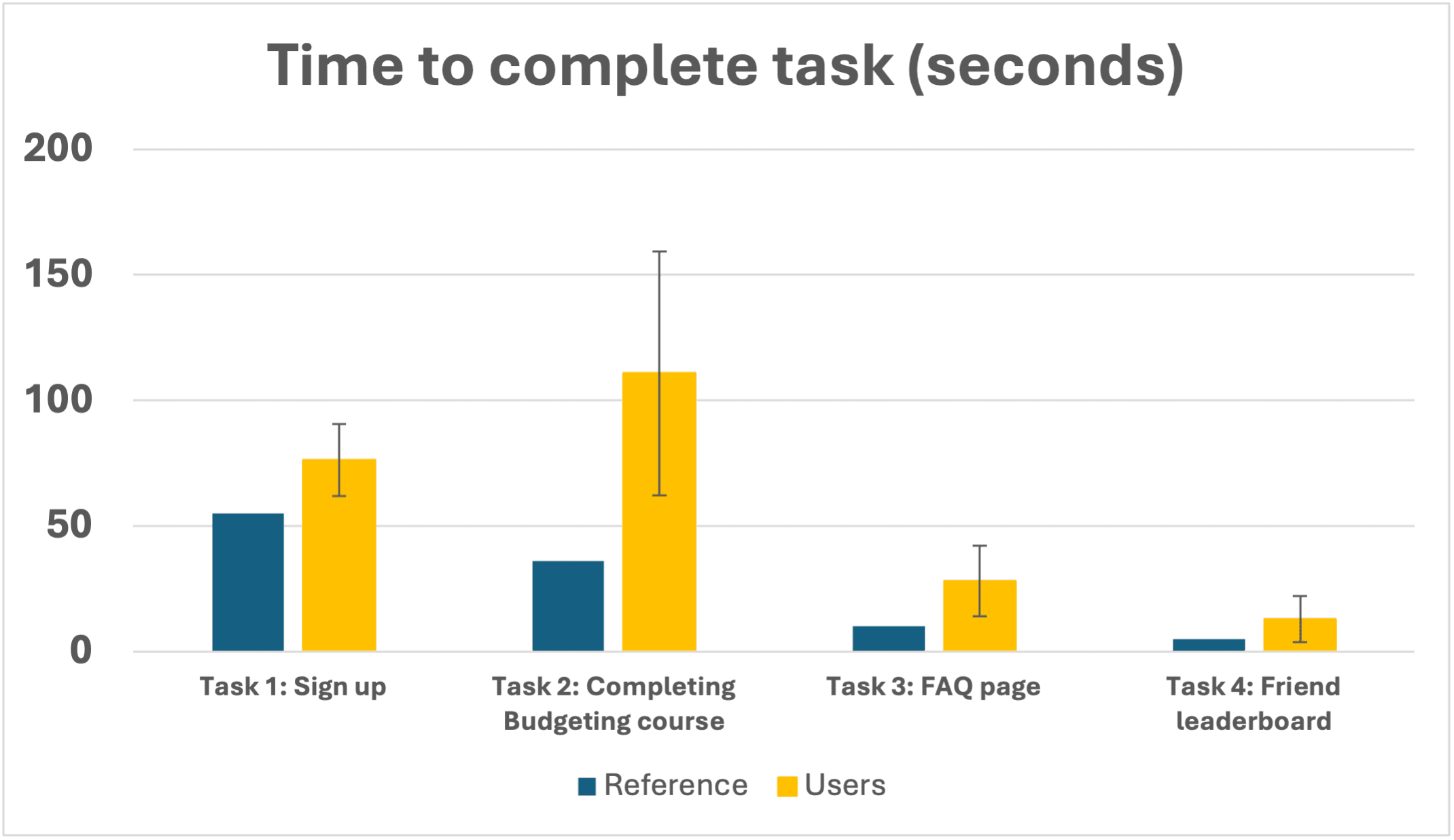
KPI: Time-on-Task
This figure shows users' average time (Yellow) to complete tasks, compared to the reference (Blue). Error bars represent users' standard deviation. The figure does not include users who did not complete the task.
We observe that tasks 2 and 3 had much longer durations compared to the reference, and modifying the prototype may be necessary to improve user experience. Additionally, the standard deviation for task 2 was quite large, which requires further investigation of that specific user path.
KPI: Task success rate
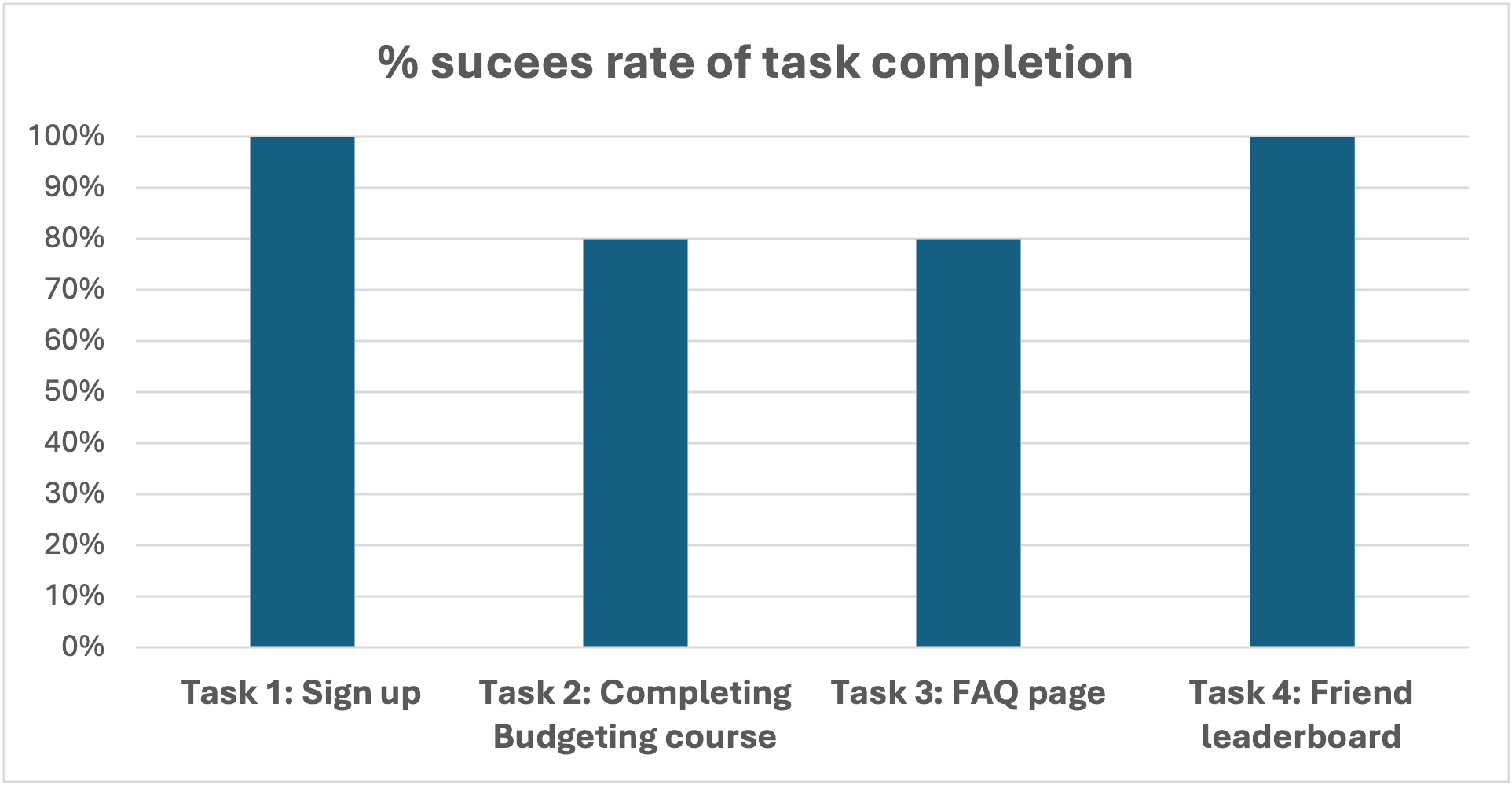
Ideally, all users should complete the assigned tasks. Tasks 2 and 3 had lower than expected completion rates, and a significant change in the user path is indicated.
Quantitative objective feedback by task
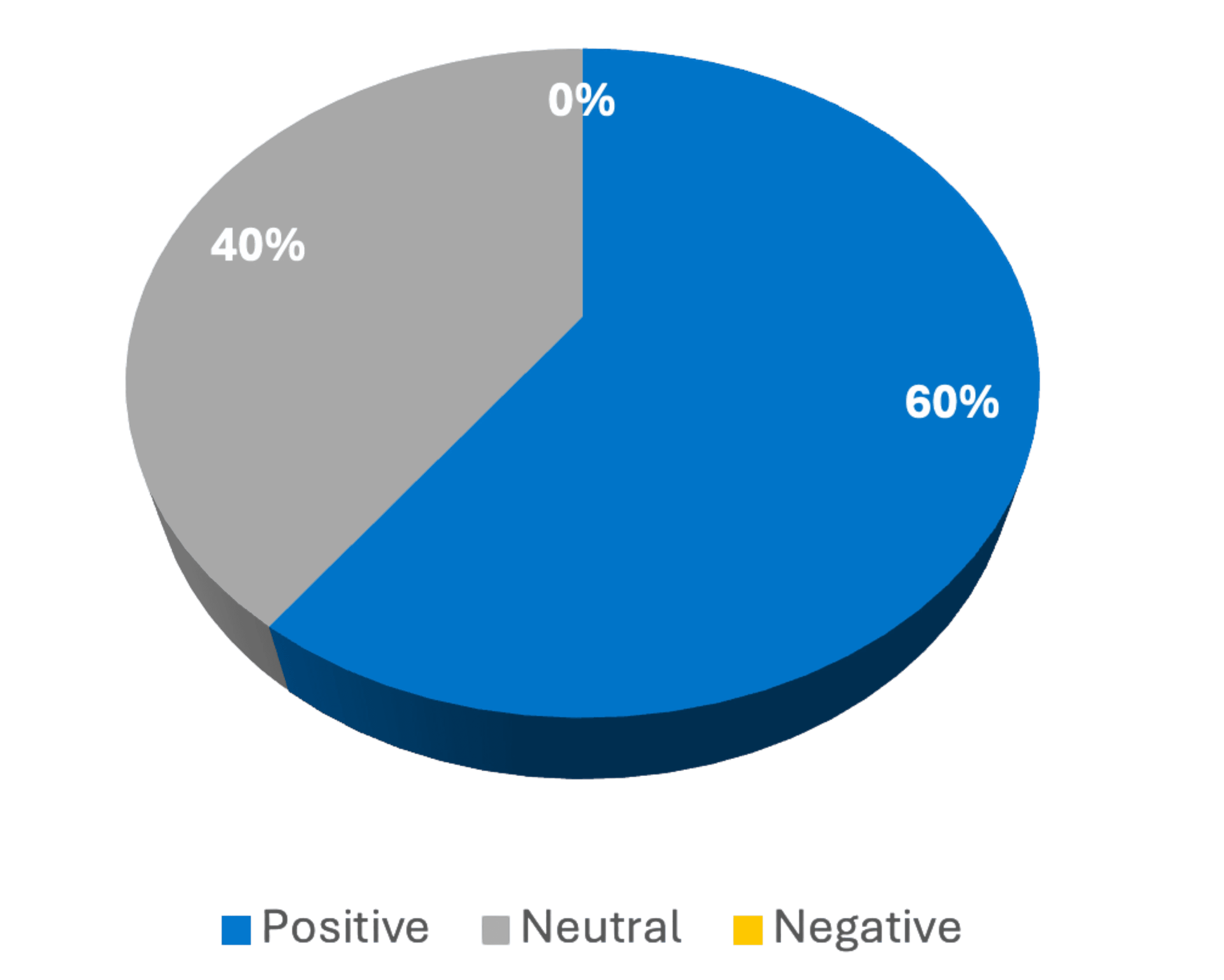
The sign-up task received mainly positive feedback, with approximately 40% of responses being neutral, as some users skipped syncing their bank accounts and activating notifications.
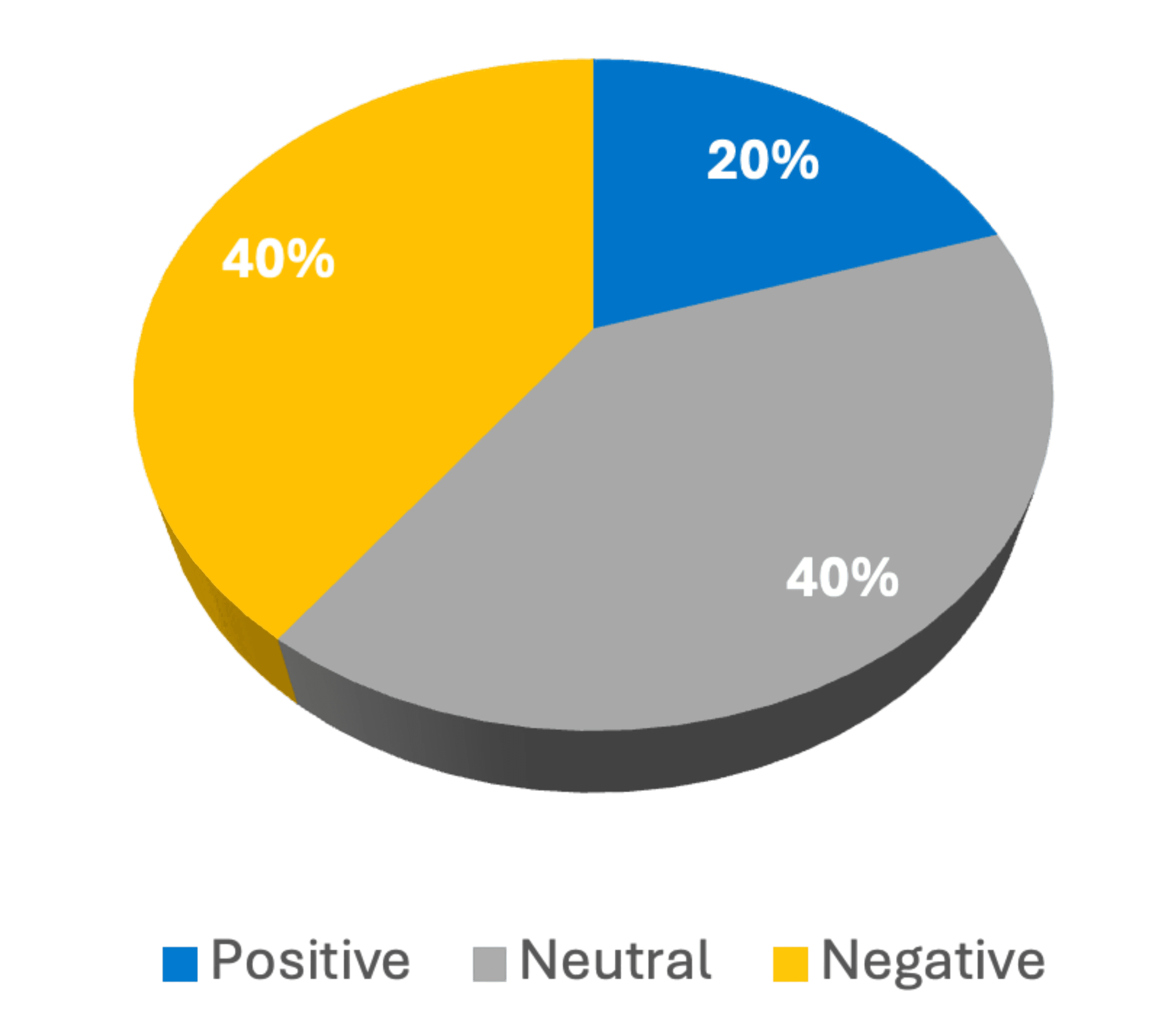
During Task Two, we observed that users had significant difficulties in completing the budgeting course. They indicated that it was not easy to locate this course. Numerous users clicked on various areas of the homepage instead of navigating to the "Content" tab in the footer.
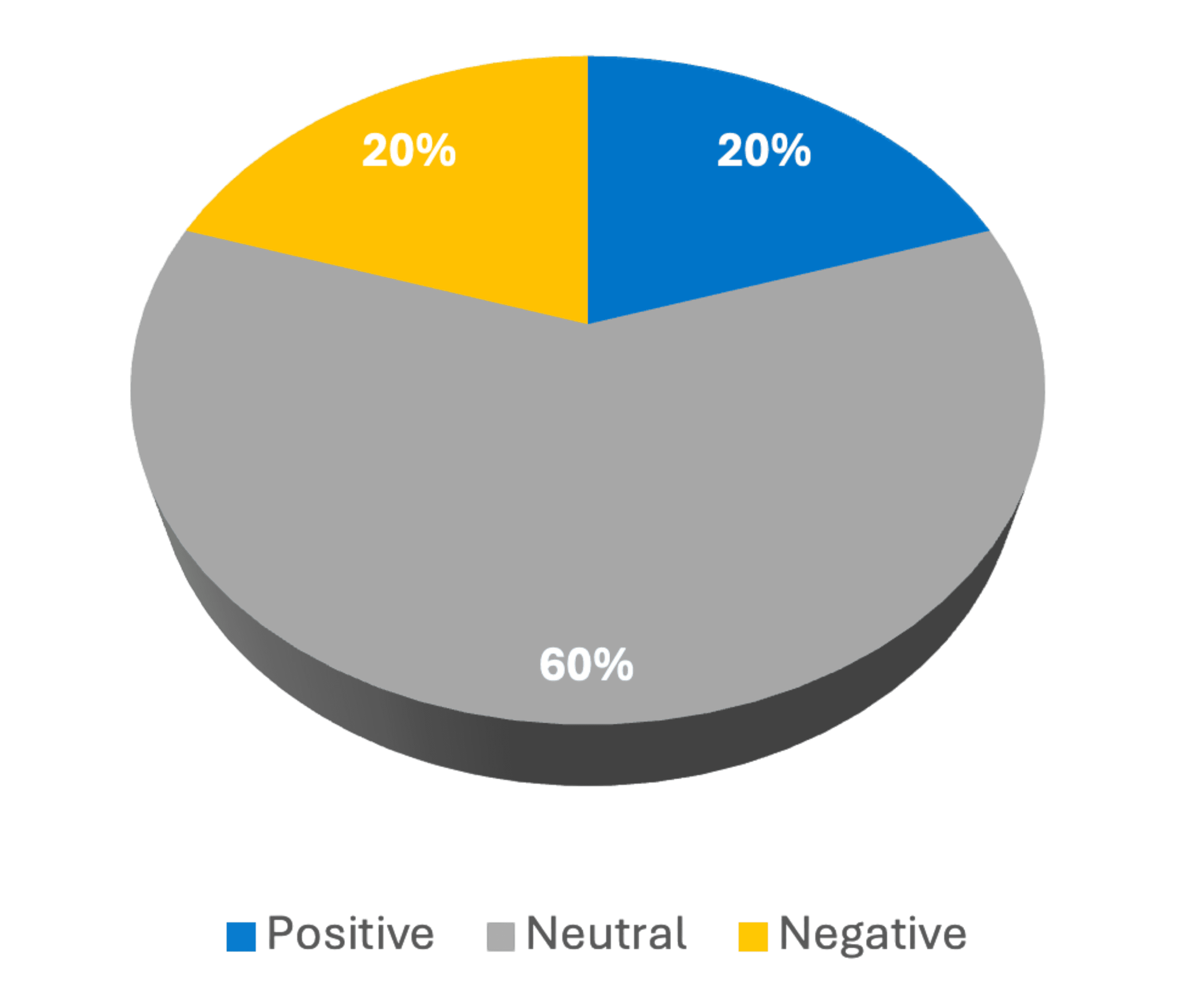
In Task Three, one user quickly found the FAQ page, while other users went through several screens before reaching it. This task mostly received neutral feedback.
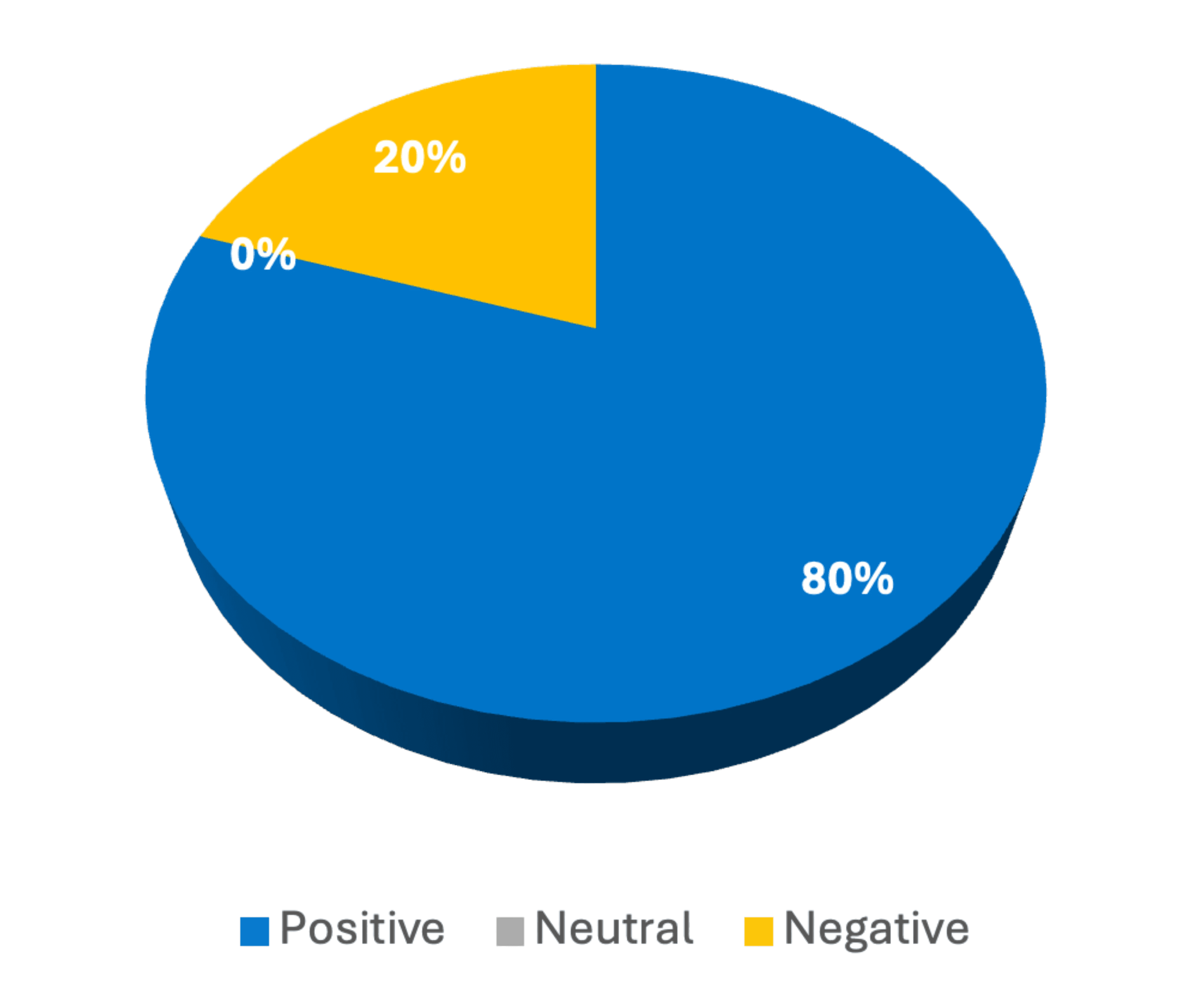
In this task, four out of the five users successfully located the Friend/Global leaderboard without any difficulties, accompanied by predominantly positive feedback.
Suggestions from users
“I suggest placing the FAQ feature with a question mark or another element on the homepage for easy access.”
“A short tutorial on the app when you first open it would be beneficial.”
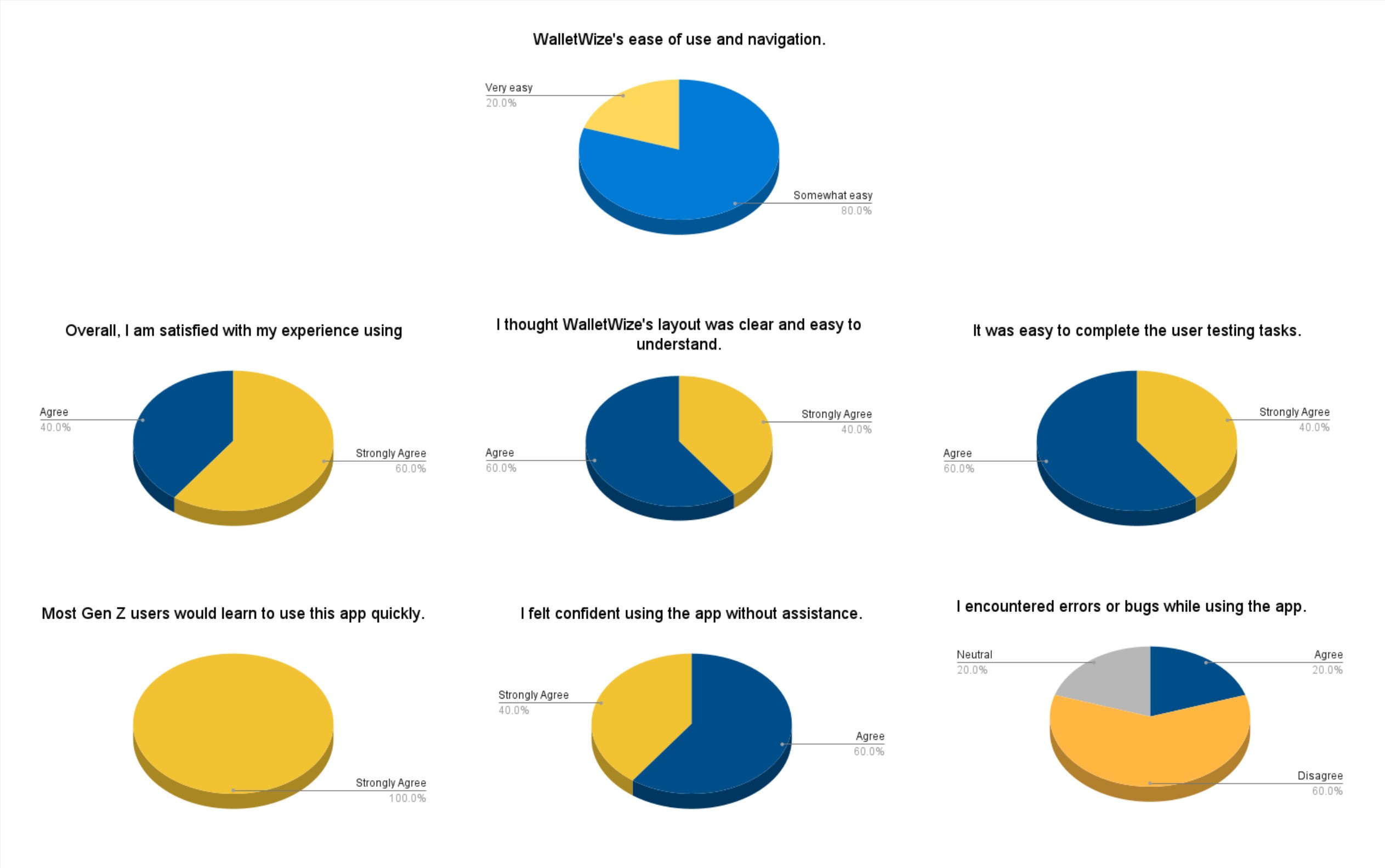
Post-user testing survey results
Learnings and reflections
Overall, the users gave positive feedback about the app. They were satisfied with their experience and found the app to be intuitive and educational. All users reported confidence in using the app without assistance.
The app’s main strengths were its overall design, including its color scheme, and intuitive screen navigation. The post-test Google survey results show that all users found the app easy to use. Additionally, all users expressed the belief that Gen Z users would learn how to use the app quickly with no expected difficulties.
Areas for improment
General and nonspecific tasks, such as signing up and managing friends in the app, were straightforward and seamless. WalletWize-specific tasks, such as locating a specific financial course and accessing a question board page, were associated with negative key performance indicators.
Need to revise the user flow of app-specific tasks
Add links to the homepage for several app features
Modify navigation to the courses catalogue page
We observed some variability in the test user sample, as task failure was not specific to individual users.
Further investigate the heterogeneity of the app users
Simplify app-specific user flows because of the diversity in Gen Z users’ skills.
When specifically asked whether they would use this app in the future, all users declined to choose the “very frequently” option and committed to only “occasional use”.
Data is concerning due to potential user bias aimed at pleasing app developers. More work is needed to attract users and add features that appeal to this group for post-launch engagement.
Overall, the app received very high scores in most areas and was well-received by the Gen Z user group. These usability studies identified some key elements that need modification to ensure a satisfactory user experience.