
9 min
As I transitioned from a restaurant owner to a UX/UI designer specializing in the culinary industry, I can definitely recall the passion of a business for an online presence. I remember reviewing my worn-out large menu, all the plates and cups, and imagining how they would look on a mobile screen. How could I preserve the spirit of my beloved restaurant on a cold, fixed platform? Now that I have crossed the line, I would like to share some insights into my approach to meeting new clients and some secret tips.
Creating a digital solution for a restaurant is an exciting yet challenging task for any UX/UI designer. The culinary industry, known for its energy, creativity, and customer service focus, presents unique challenges that must be understood and incorporated into our designs. A key stage in this process is the initial client meeting, which lays the groundwork for all subsequent steps and is crucial for turning the client's vision into an effective digital experience.
Understanding the Client’s Needs and Vision
The initial meeting with a restaurant owner or any culinary client is fundamentally about discovery. This is our opportunity to understand their needs, vision, and expectations. It's essential to ask open-ended questions that encourage the client to share their goals, challenges, and preferences. It’s just like a first date: people enjoy talking about themselves, so let them do the talking.
The first step is to identify their brand identity, target audience, and unique value proposition. By gathering this information, we set a solid foundation for developing a digital solution that supports their business goals. In a recent project, I created a website for 360 Café, a popular restaurant in Costa Rica. During our initial meeting, I recall the owner boasting about his unique crepes for over 15 minutes. I didn't interrupt him, and once he finished reviewing all 200 flavors and sizes, we discussed their future dominant digital presence. If you want to check out my work and his crepes, here’s the link.
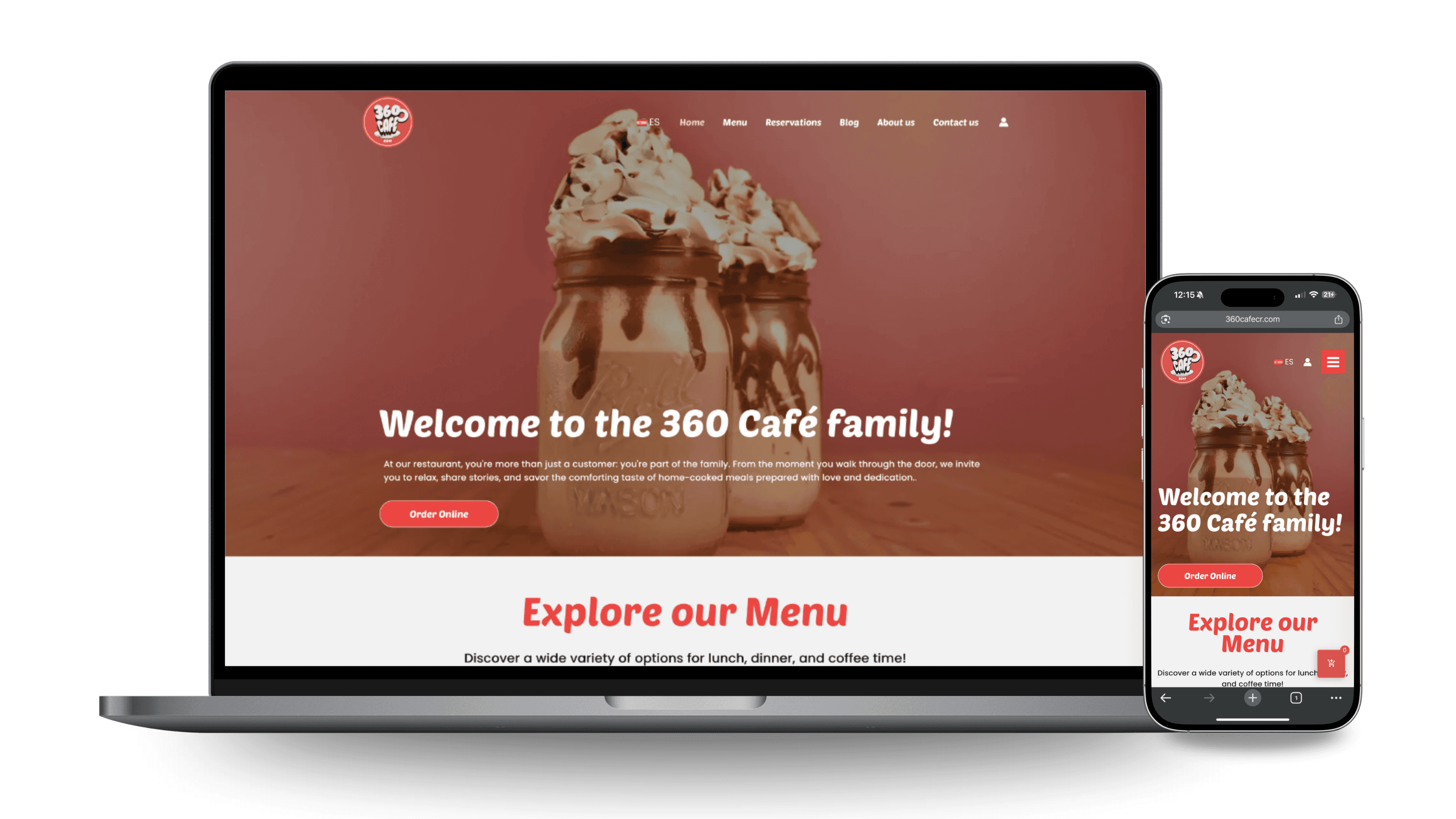
360 Café Costa Rica Website. Image by the author
Transforming Insights into Design Elements
1. Customer Experience Expectations
Restaurant owners often have a clear vision of the customer experience they want to create. This ranges from the ambiance and theme to the level of service provided. During the meeting, pay attention to how the client describes the atmosphere of their restaurant. Are they aiming for a cozy, intimate dining experience or a vibrant, lively space? These descriptors can influence the color schemes, fonts, and imagery we use in the UI design. For example, a cozy bistro might benefit from warm colors and soft fonts, while a modern, trendy bar might lean towards bold colors and sleek, minimalist designs.
I strongly suggest meeting the client at his restaurant. Skip the cold virtual Zoom and Teams meetings and drive to his business instead. Even if you don’t land the job, at least you got to enjoy some interesting high-calorie crepes.
2. Menu Presentation and Navigation
During the interview, you may ask, or even be presented without asking, with the menu. The way a restaurant's menu is presented can significantly impact a customer's decision-making process. This is the time to discuss with the client how they would like their menu to be displayed digitally. Are there popular dishes they want to highlight, or seasonal specials that change frequently? The menu structure, the use of high-quality images, and ease of navigation are crucial elements that should be brought up. Ensuring that the menu is easily accessible and visually appealing can enhance the user experience and increase sales potential.
Not all web development platforms offer the flexibility needed if the client has crazy menu ideas – “I want an animated pizza with bubbling cheese, can you do that?” If the client just needs a standard display, choosing a platform like Wix would be enough. I personally prefer highly customizable platforms like Framer. I have recently developed a template for that platform that allows restaurants (and developers) to quickly launch a highly tailored website.
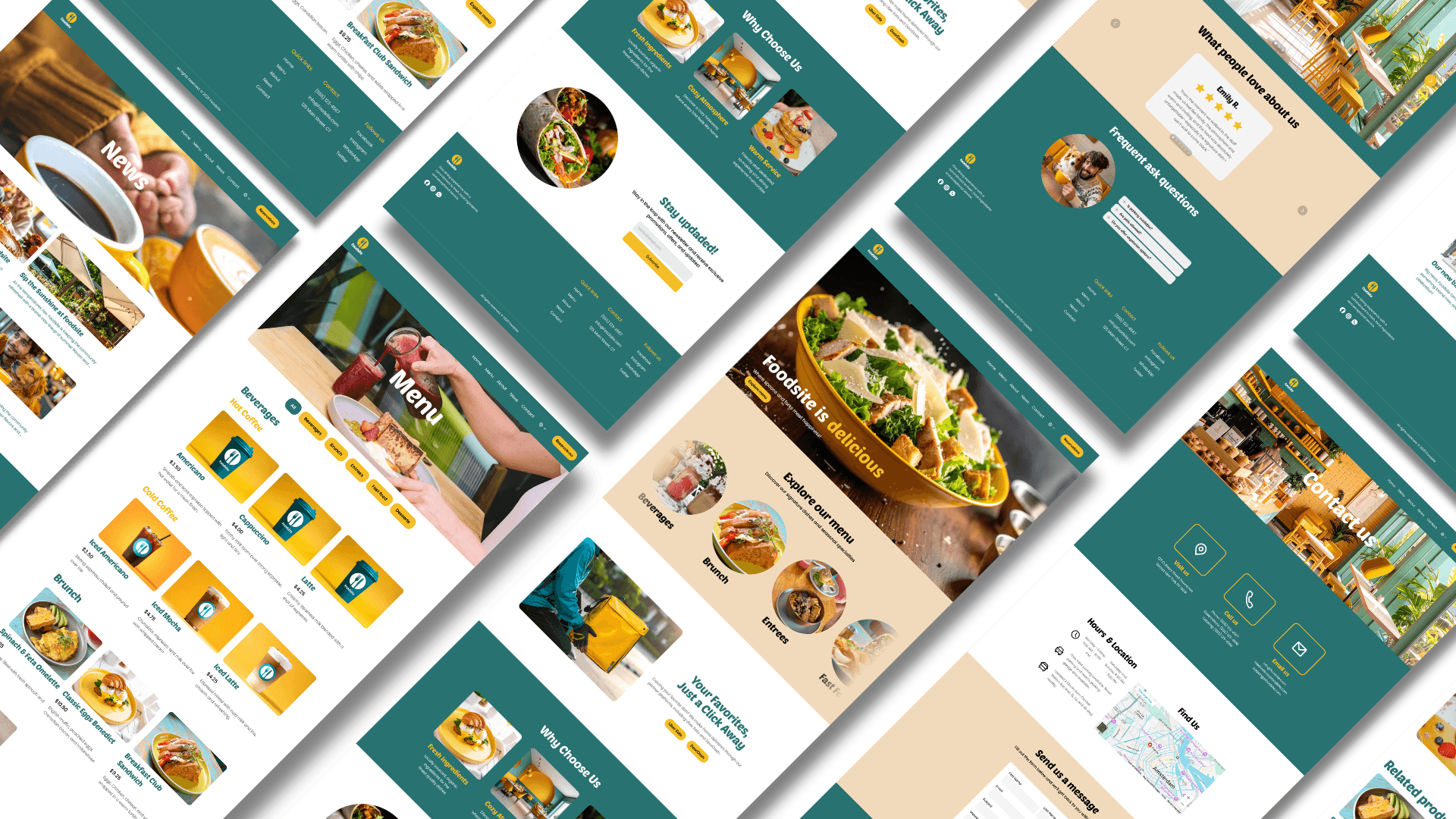
Foodsite Banners. Image by the author
3. Reservation and Ordering Systems
Modern restaurant websites often integrate reservation systems and online ordering functionalities. During the initial meeting, determine the client's requirements for these features. Do they want a simple reservation form, or are they looking for a sophisticated system that integrates with their existing table management system?
Understanding the needs can help us design an intuitive, user-friendly interface that simplifies reservation and ordering processes, making it more convenient for customers and more efficient for restaurant staff.
4. Branding and Storytelling
Many restaurant owners are passionate about their story—how they started, their culinary philosophy, and what sets them apart from the competition. These narratives are powerful tools for building a connection with customers, and yes, sometimes they can be boring or confusing. Too many restaurants are insisting on impossible fusion cuisines, but this may be a topic for a different blog…
Our job as a UX/UI designer is to weave these stories into the digital experience. This can be achieved through thoughtful content placement, visuals that reflect the brand’s identity, and interactive elements that engage visitors. Ensure that the website or app not only presents the restaurant’s offerings but also its personality and story.
This is the time to discuss all the additional features, such as coupons, collaborations with ordering platforms, and starting a newsletter. I personally always recommend the latter, as it can really boost brand positioning and establish an exclusive communication channel between the restaurant and its customers. Below is an example of an e-newsletter I created for Dulce Junio Café.
5. User Accessibility and Inclusivity
In today’s digital age, accessibility is vital. Discuss with the client their views on inclusivity and how to accommodate users with disabilities, like screen reader compatibility, high-contrast mode, and easy-to-read text. Making the experience accessible can boost the restaurant’s appeal and show their commitment to inclusivity.
6. Feedback and iteration
Finally, highlight the importance of user testing before launch. I am sure the owner tested his menu items with friends, family, or restaurant staff before adding them to the menu. Digital products are no different. Testing the product with clients is crucial to ensure it is well-designed and user-friendly. The feedback collected during this process can be used to improve and refine the digital solution. Read more about usability studies at this link.
Conclusion
The initial client meeting is more than just a formality—it’s the cornerstone of a successful UX/UI design project in the culinary industry. By thoroughly understanding the client’s needs, vision, and unique attributes, we can create a digital solution that not only meets their expectations but also enhances the overall dining experience for their customers. Remember, the key to an exceptional design lies in the details, and the insights gathered during this important meeting will guide us in crafting a user-centered, visually captivating, and functional digital presence for the restaurant.
Stay tuned for next week's blog where I will share my experience with using website templates in the culinary industry (and some discounted coupon codes if you want to try them out).
Share this post



Design Strategy
Apr 25, 2026
When One Size Fails: Strategies for Designing Digital Products for Targeted Groups
Designing for everyone often serves no one. Effective digital products come from content, interactions, and strategy tailored to a specific audience. These should match their needs, context, and behaviors.
Digital Strategy
Apr 18, 2026
Labels, Warnings, and Other UX Landmines (and How to Design Them Well)
Mandatory information like fine print, disclosures, and warnings appear throughout digital experiences as required by legal teams. The issue isn't their presence but how they're handled. Top products don't just seem compliant; they present this information clearly.

Digital Strategy
Apr 10, 2026
Social Media vs. Your Own Website - Where to invest?
Every small business owner faces the same question: invest in social media or build a dedicated website? The answer depends on what your business needs most. This post breaks down the strengths, limitations, and ideal use cases for each so you can make a smarter, more strategic choice.